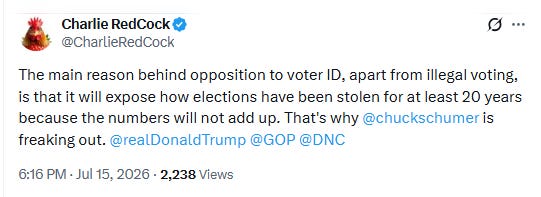
Two days before President Trump demanded a full declassification of 2020 election materials, a simple observation on X cut through the noise: opposition to basic voter identification—beyond the fig leaf of “illegal voting” concerns—stems from a deeper terror. It would force the books to balance, and for at least twenty years, the arithmetic of American elections has refused to cooperate with official narratives. The panic is understandable. When the lights flip on, the cockroaches scatter.
Fast-forward to July 17, 2026. Trump, never one for half-measures, ordered the Director of National Intelligence, DOJ, FBI, and CIA to investigate the concealment of critical election security failures. Electronic voting machines and ballot systems, long sold as impregnable fortresses, now stand accused of systematic dishonesty. The third tranche of documents reportedly reveals years of public deception about the integrity of the very infrastructure entrusted with the republic’s will. Concealing foreign meddling was apparently just the warm-up act.
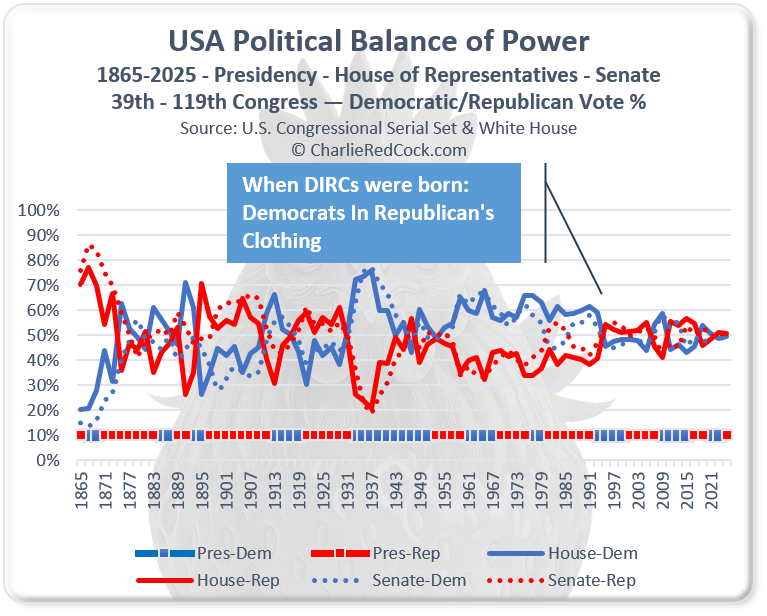
Those familiar with the permanent bureaucracy in Washington have seen this movie before. The swamp doesn’t just resist transparency—it treats it as existential threat. Every demand for common-sense safeguards like voter ID has been met with theatrical outrage precisely because such measures threaten to expose decades of creative bookkeeping. Chuck Schumer’s discomfort is not mysterious; it’s mathematical.
The fallout promises to be spectacular. Not merely political theater, but a long-overdue audit of institutions that have grown comfortable treating elections as suggestions rather than sacred obligations. Private-sector enablers may soon join the spotlight. The numbers, as they say, don’t lie—though some have tried desperately to make them.
Americans deserve better than managed outcomes disguised as democracy. The party, as they say, is only getting started. Popcorn is optional, but highly recommended.