


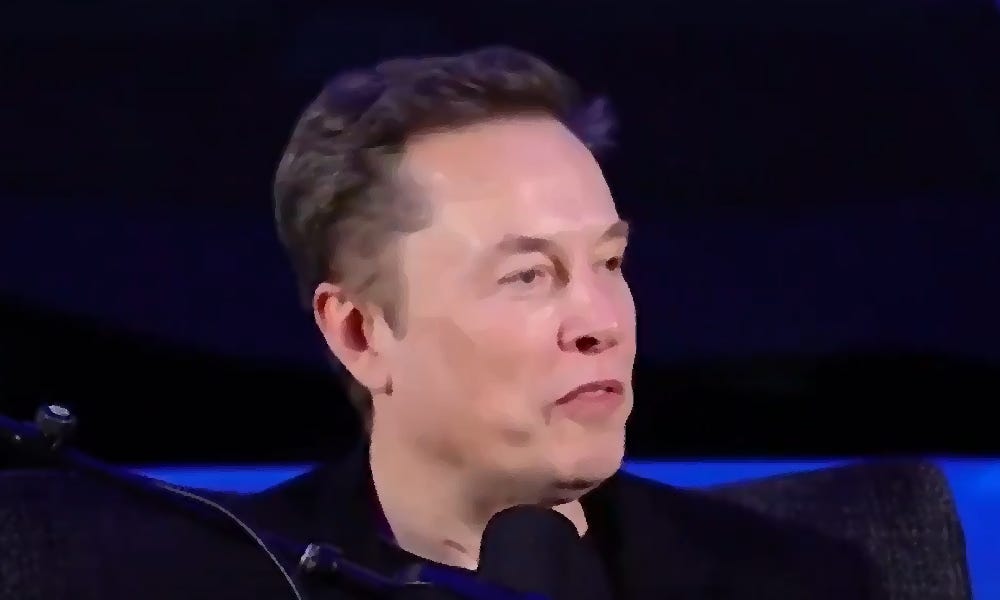
Elon Musk has peered into the crystal ball of artificial intelligence and declared traditional retirement planning a quaint relic, destined for the dustbin of history. According to him, in 10 to 20 years, AI and robotics will obliterate labor costs, slash the price of everything, and render squirreling away money for one’s golden years utterly pointless. We’ve crossed the “event horizon,” he suggests, where scarcity evaporates and abundance rains down like so much digital manna. Why bother saving when the machines will provide?
This vision sounds positively utopian—if one ignores the glaring chasms in the logic. Musk’s prophecy assumes a seamless transition to a post-scarcity paradise, where benevolent algorithms tuck humanity into comfort without a hitch. But let’s be brutally honest: betting the future on technology magically dissolving every economic friction is the height of hubris.
History is littered with techno-optimists whose timelines crumbled under reality’s weight. AI may drive efficiencies, yet it also concentrates power in fewer hands, raises thorny questions about ownership of that productivity, and risks massive displacement before any utopia arrives.
Worse, the narrative casually dismisses human purpose. A world of zero labor costs conjures not just leisure, but lists of idle souls dependent on centralized systems for their daily bread—or whatever synthetic equivalent the robots dispense. Who rations the resources? Who decides value when “work” evaporates? Musk’s math overlooks the spirit that has driven innovation through millennia of supposed scarcity: ambition, creativity, and the dignity of contribution. People aren’t mere consumption units waiting for the singularity’s crumbs.
In the end, urging folks to abandon prudent saving for this speculative fever dream is reckless. The future may dazzle with gadgets, but counting on it to erase all hardship is a gamble few can afford. Prepare for disruption, certainly—but don’t torch the safety net on faith alone.
