


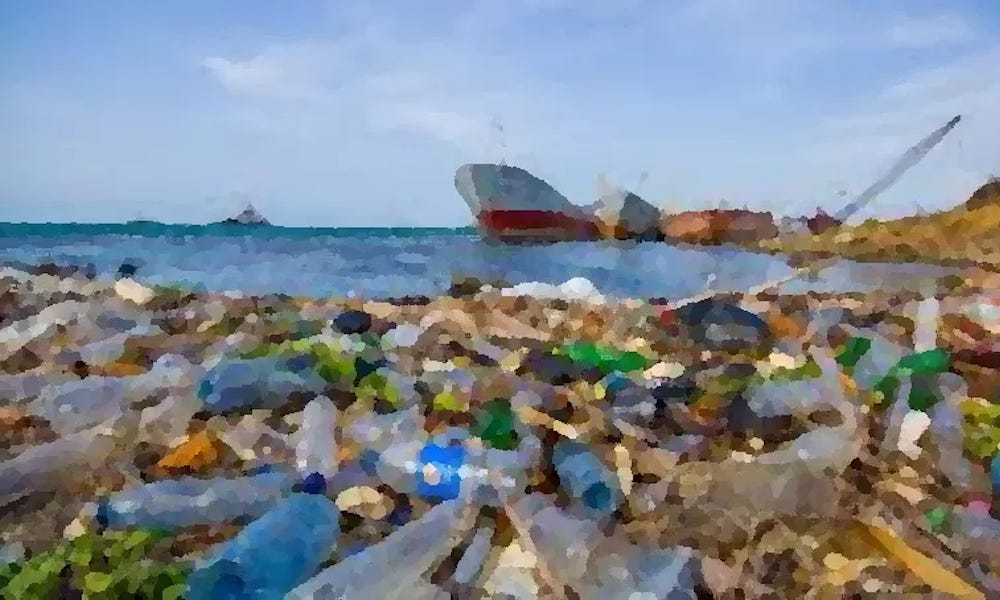
Plastic is basically the world’s favorite accessory—everywhere you look, it’s the glitter of pollution, shimmering in oceans, rivers, and probably your morning coffee. It’s a global hazard, but hey, Western activists have found a better use for it: as a backdrop for their Instagram feeds. Forget data, forget solutions—what really matters is the perfect selfie angle while holding a reusable straw. Their reward? A chorus of likes and heart emojis from equally enlightened friends.
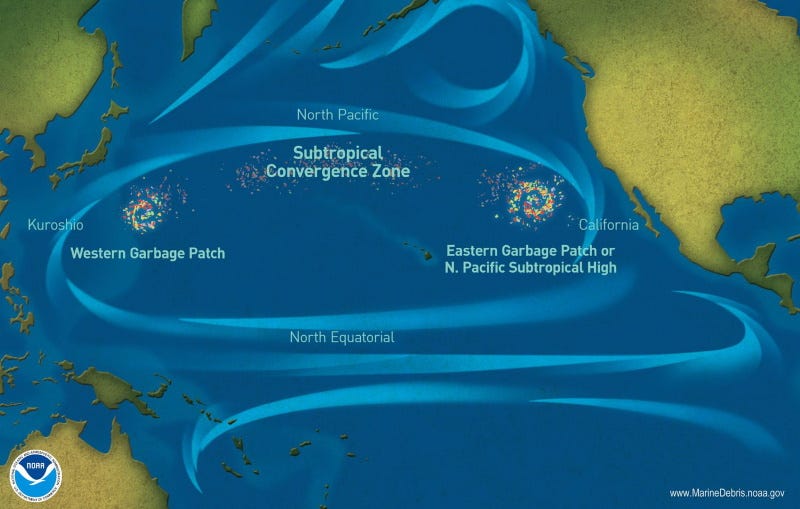
And then there’s Ben Lecomte, who decided the best way to highlight the Great Pacific Garbage Patch was to swim through it. Because nothing screams “save the oceans” like doggy-paddling past a floating Walmart aisle of discarded shampoo bottles. Sure, the plastic problem is monumental, but at least we got another heroic story to share at dinner parties—preferably over drinks served in single-use cups.
Awareness-raising is another priority. Ben Lecomte says his face-to-face experience with the Pacific’s garbage has prompted him to reduce his consumption of plastic. He hopes that by revealing what’s going on “below the surface” he can “inspire people to stop using single-use plastic and to rethink the way we live.”
After slogging through the whole article, the grand takeaway was the same tired mantra: “Use less plastic.” Ah yes, the all-purpose directive—like duct tape for environmental guilt. Too bad it completely sidesteps the actual culprits and does nothing to address the root of the mess. It’s basically a band-aid on a leaking oil tanker.
Let’s cut to the chase: plastic pollution is a cultural mess, and Western Civilization isn’t exactly the villain in this particular ocean drama. Back in 2018, the World Economic Forum dropped a headline that should have been a mic drop: “90% of plastic polluting our oceans comes from just 10 rivers.” Translation—while the West is busy banning plastic straws and patting itself on the back, the real flood of garbage is pouring in elsewhere.
By analyzing the waste found in the rivers and surrounding landscape, researchers were able to estimate that just 10 river systems carry 90% of the plastic that ends up in the ocean. Eight of them are in Asia: the Yangtze; Indus; Yellow; Hai He; Ganges; Pearl; Amur; Mekong; and two in Africa – the Nile and the Niger.
...
The rivers all had two things in common; a generally high population living in the surrounding region – sometimes into the hundreds of millions – and a less than ideal waste management process.
Funny thing: the WEF’s data was nowhere to be found in the Lecomte coverage. Apparently, editors decided that the truth was less important than worshipping at the altar of the century’s favorite social disease—Political Correctness, the ultimate shield for the inept.
And let’s be clear: blaming trash exports from developed nations is a shiny distraction, a red herring tossed to keep the narrative afloat. There’s no evidence that exported plastic waste is the villain sneaking into the oceans. The real culprits? Corruption and incompetence among importers. But sure, let’s keep humming the anthem “All men are created equal…”—a tune conveniently muted whenever it clashes with the agenda.
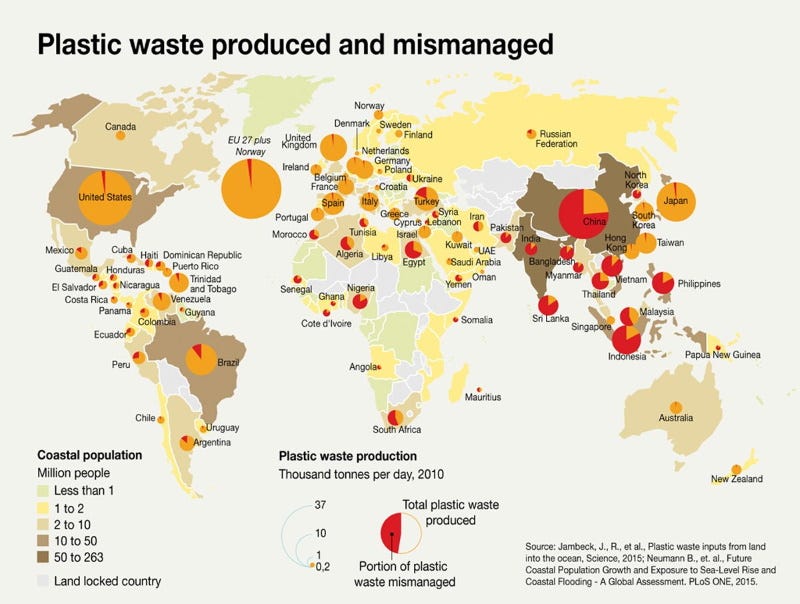
And here we arrive at the actual root cause, as the map titled “Plastic Waste Produced and Mismanaged” screams in bright red. Spoiler alert: Western Civilization’s plastic binge isn’t the villain—it’s the global mismanagement circus elsewhere. Yet somehow, the logical punishment is that a guy in Seattle can’t sip his iced latte with a straw because someone in Indonesia just dumped ten pounds of bottles into a river. Makes perfect sense, right?
Sure, cutting plastic use is noble. But California’s straw-ban brigade wants to cosplay as knights in shining armor, galloping in to “save the planet.” In reality, they’re spraying a raging wildfire from 7,000 miles away with a flimsy garden hose. Cue the victory parties—complete with confetti and disposable champagne flutes—because it’s less about fixing the problem and more about looking cool while pretending to.
Meanwhile, Western Civilization remains the favorite punching bag for holier-than-thou activists, guilt-tripped into oblivion. If Lecomte really wanted to make waves, he’d swim to China or Africa and call out the actual offenders. But of course, that would be branded racist, xenophobic, or whatever the trendy shield word of the week is. And besides, activists aren’t exactly lining up to risk a chopstick—or a spear—in the eye.
Bottom line: problems don’t get solved by emotional theater. They get solved by naming the root cause. And the inconvenient truth is this—strip away the slogans, the hashtags, the garden hoses, and the guilt trips—it’s always about the people.
