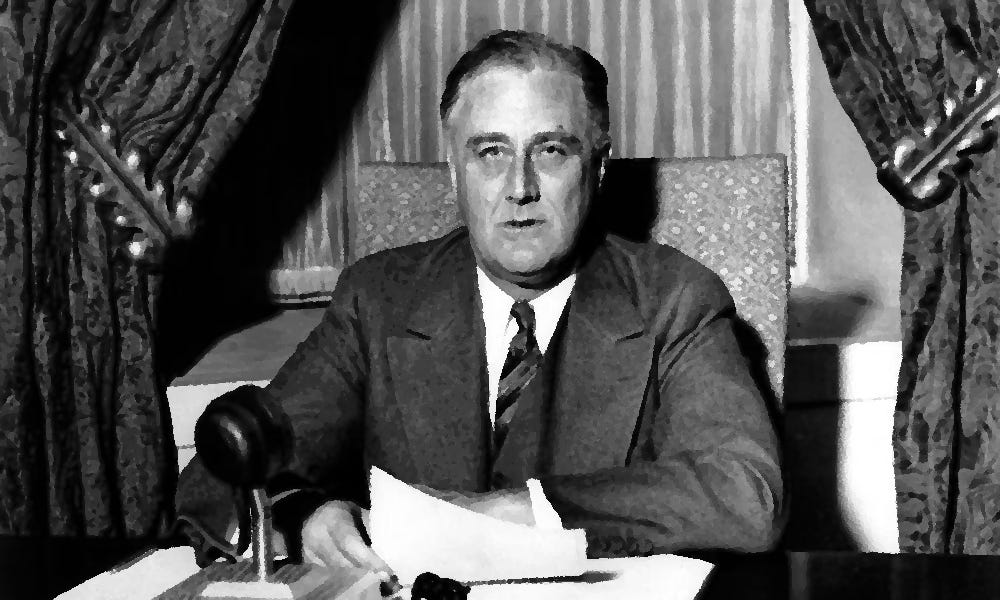
Franklin D. Roosevelt, no one’s idea of a union-buster, told federal workers in 1937 that collective bargaining as usually understood cannot be transplanted into the public service. He was not being coy. He was describing a structural mismatch that still stares us in the face.
In private industry, a union negotiates with people who own the shop or answer to shareholders. Give away too much and the company loses money, customers flee, jobs vanish. That is a consequence. That is a profit-and-loss statement doing its thankless job of telling adults the party is over.
Government has no such statement. The “employer” is the entire public, speaking through laws and budgets that politicians can always raid tomorrow. Officials sitting across the table do not pay the bill with their own capital. They pay it with other people’s money and often collect union campaign support for the privilege. When the contract balloons, no factory closes. The licensing office does not go out of business. The school district does not declare Chapter 11. Services simply get slower, taxes rise, or both, and the same officials return to the next election cycle looking virtuous for having “invested in people.”
The absence of consequences is the feature, not the bug. A private manager who signs a ruinous deal can be fired by the board. A public manager who does the same can be praised while the invoice lands on households that never sat at the table. FDR understood that administrative officials cannot bind the employer the way a corporation can. The people cannot walk away from their own government the way they walk away from a bad grocery store.
Militant tactics, he added, have no place when continuity of public functions is required. That warning aged poorly. Collective bargaining in government turns the monopoly provider into a partner against the captive customer. It is not workplace solidarity. It is a negotiation in which one side holds the legal guns, the other side holds the dues checkoff, and neither side writes the check.